TMS Therapy Dearborn MI provides a noninvasive, medication-free treatment option for major depressive disorder when standard antidepressant medications fail to bring adequate relief. This advanced outpatient approach uses targeted magnetic pulses to stimulate brain regions that regulate mood without requiring general anesthesia or downtime. Modern Mind Clinic delivers comprehensive care for patients living throughout Dearborn and the greater Metro Detroit region from its nearby Southfield office.
If you or someone you know is going through a mental health crisis or having thoughts of self-harm, call or text 988 to reach the Suicide & Crisis Lifeline for free, confidential support 24/7.
Key Takeaways
- TMS is a noninvasive, outpatient option that uses targeted magnetic pulses.
- A standard treatment course usually requires 5 sessions a week across 4 to 9 weeks.
- TMS treatment outcomes and individual insurance coverage vary by patient.
What Is Transcranial Magnetic Stimulation and How Does It Work?
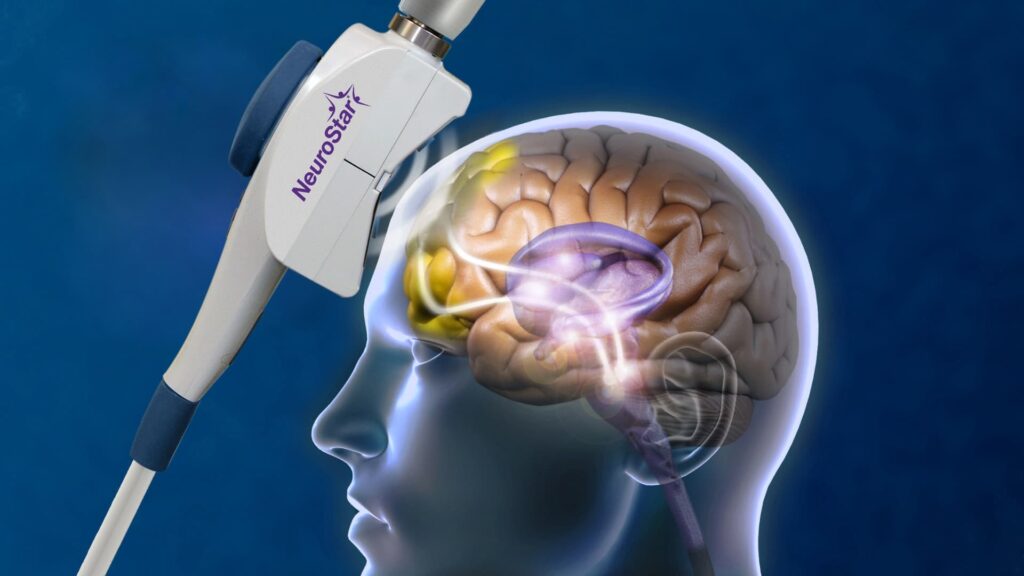
Transcranial magnetic stimulation uses focused magnetic pulses to stimulate brain cells in areas that regulate mood. Doctors typically consider this approach when antidepressant medications have not delivered adequate relief.
As noted by Mayo Clinic
“Generally, rTMS is considered safe and well-tolerated. However, it can cause some side effects. Side effects are generally mild to moderate and improve shortly after a session. Side effects decrease over time with more sessions.” – Mayo Clinic
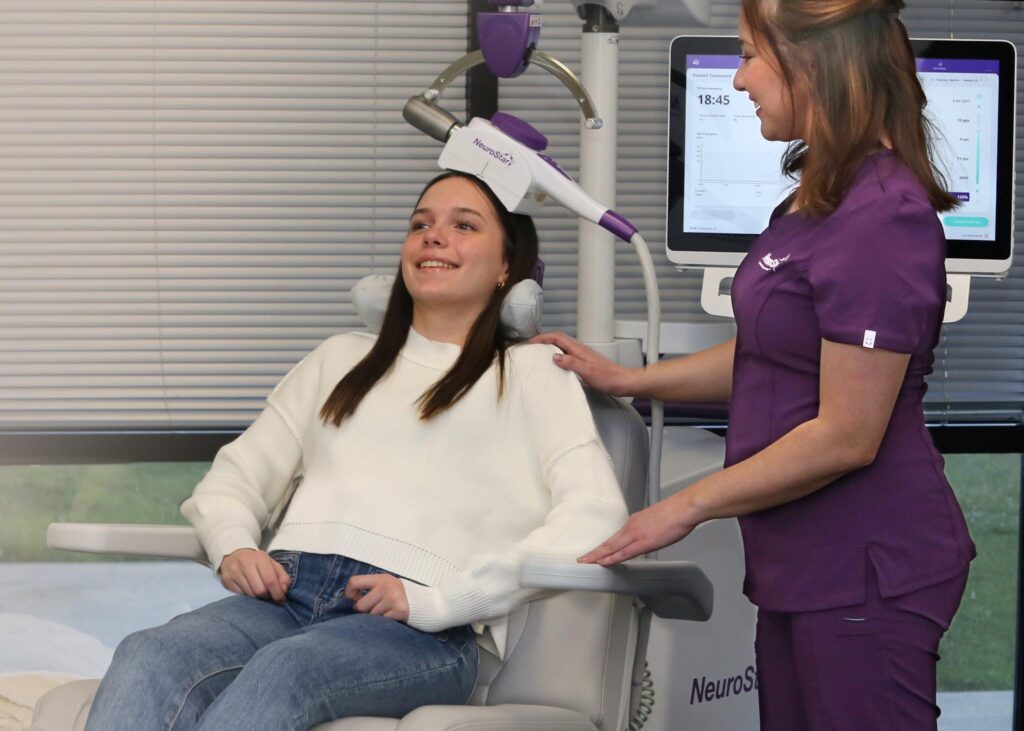
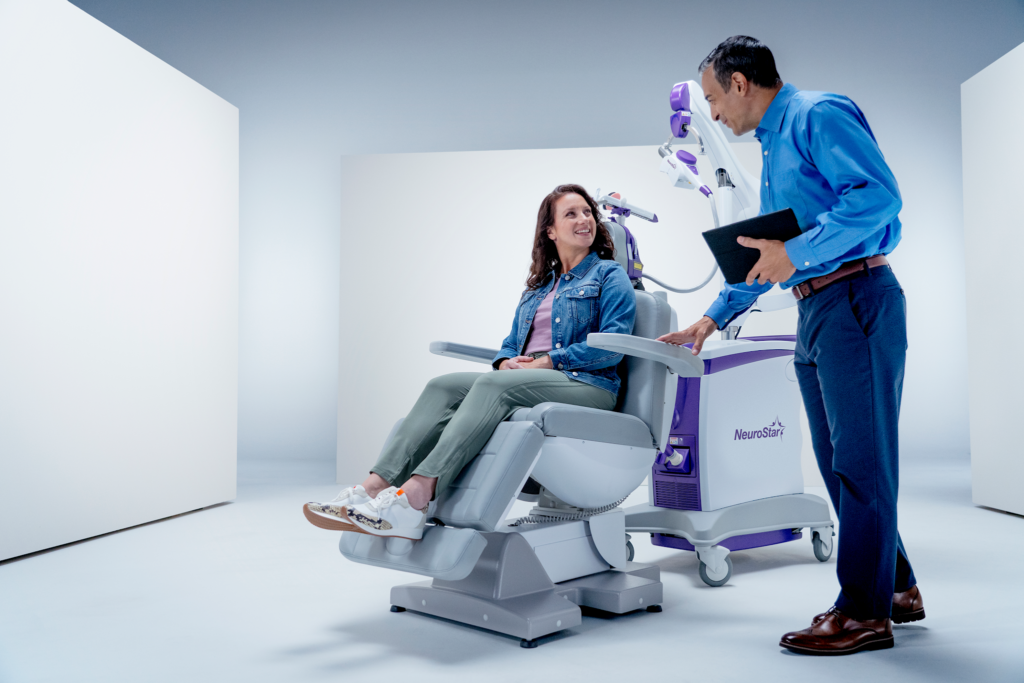
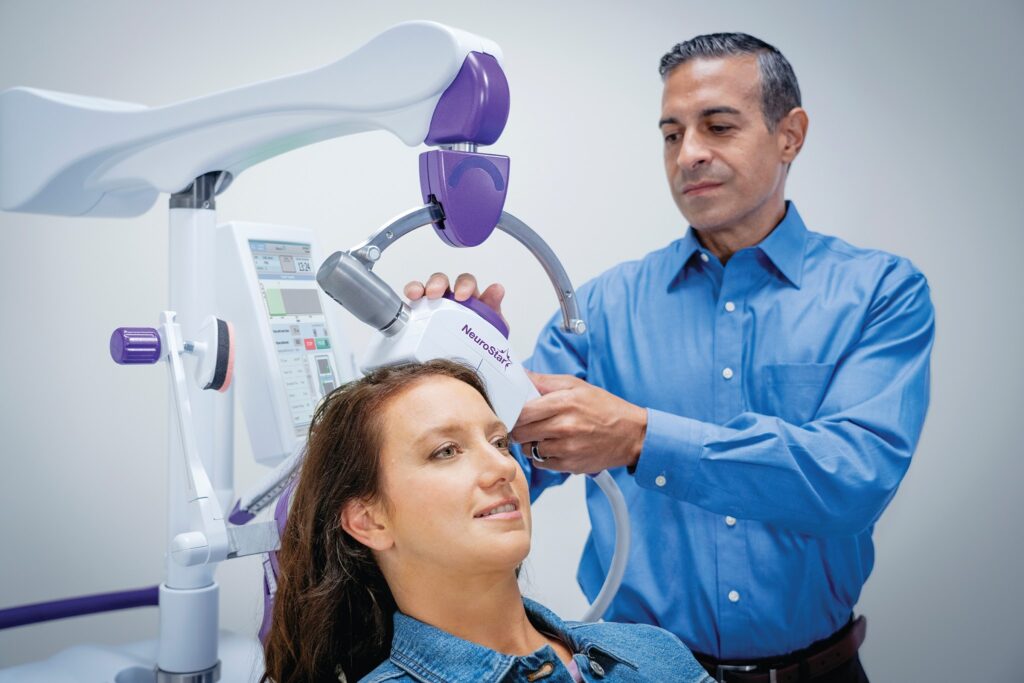
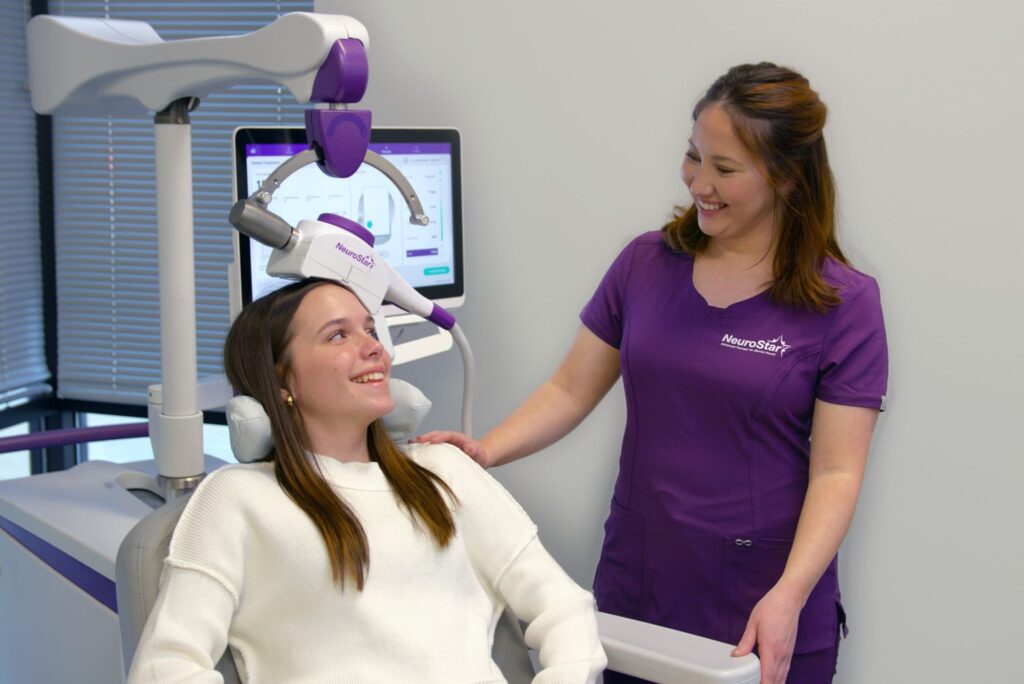
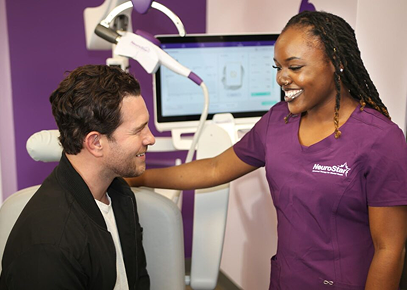
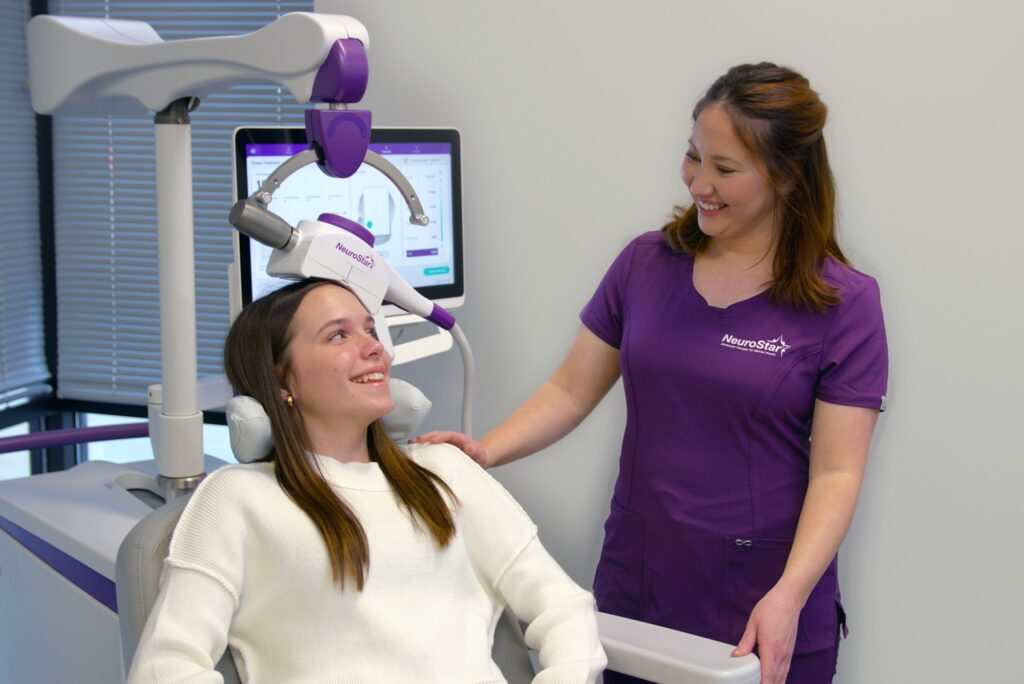
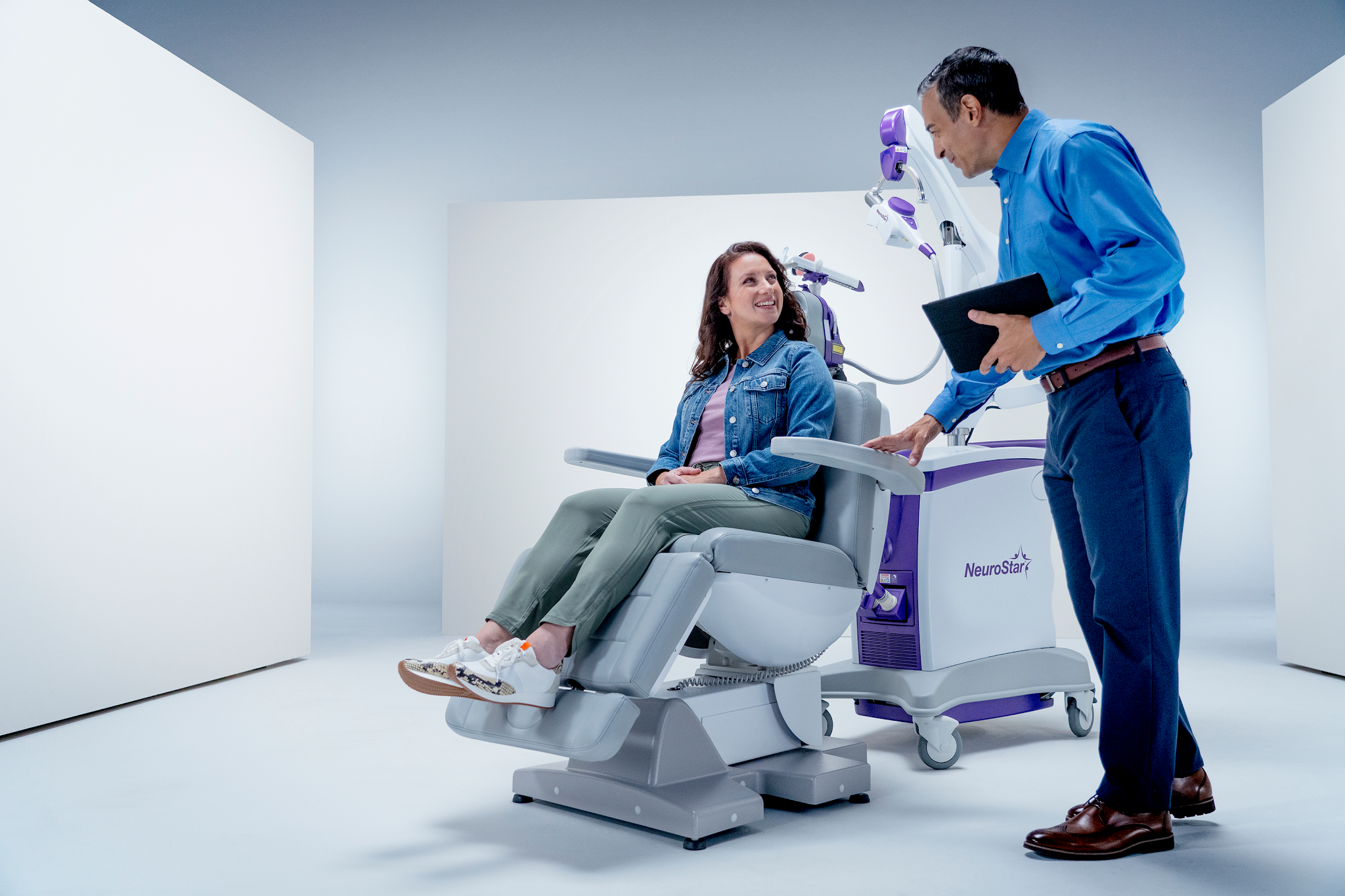
During a session, you sit comfortably in a treatment chair while fully awake. An electromagnetic coil rests against your scalp near the forehead. The coil sends targeted magnetic pulses to specific regions of the brain. Sessions usually last between 19 and 40 minutes depending on the device and protocol.
Before your daily sessions begin, your clinical team performs a specialized procedure called brain mapping, or motor thresholding. During this initial setup, the clinician determines the precise location on your scalp to place the magnetic coil and measures the minimum pulse intensity required to cause a subtle movement in your thumb. This personalizes the magnetic dose to your unique anatomical structure, ensuring both safety and optimal therapeutic contact throughout your treatment plan.
People sometimes confuse TMS with electroconvulsive therapy (ECT), but the two procedures are fundamentally different:
- TMS Therapy: Performed while you are alert, involves no anesthesia, causes no memory loss, and carries no risk of induced seizures.
- ECT Therapy: Performed under general anesthesia, intentionally induces a brief, controlled seizure, and requires recovery time after each visit.
The U.S. Food and Drug Administration first cleared a TMS device for major depressive disorder in 2008. Since then, specific devices have received FDA clearance for other conditions such as obsessive-compulsive disorder (OCD). However, FDA clearance depends on the exact machine, protocol, age group, and clinical indication.
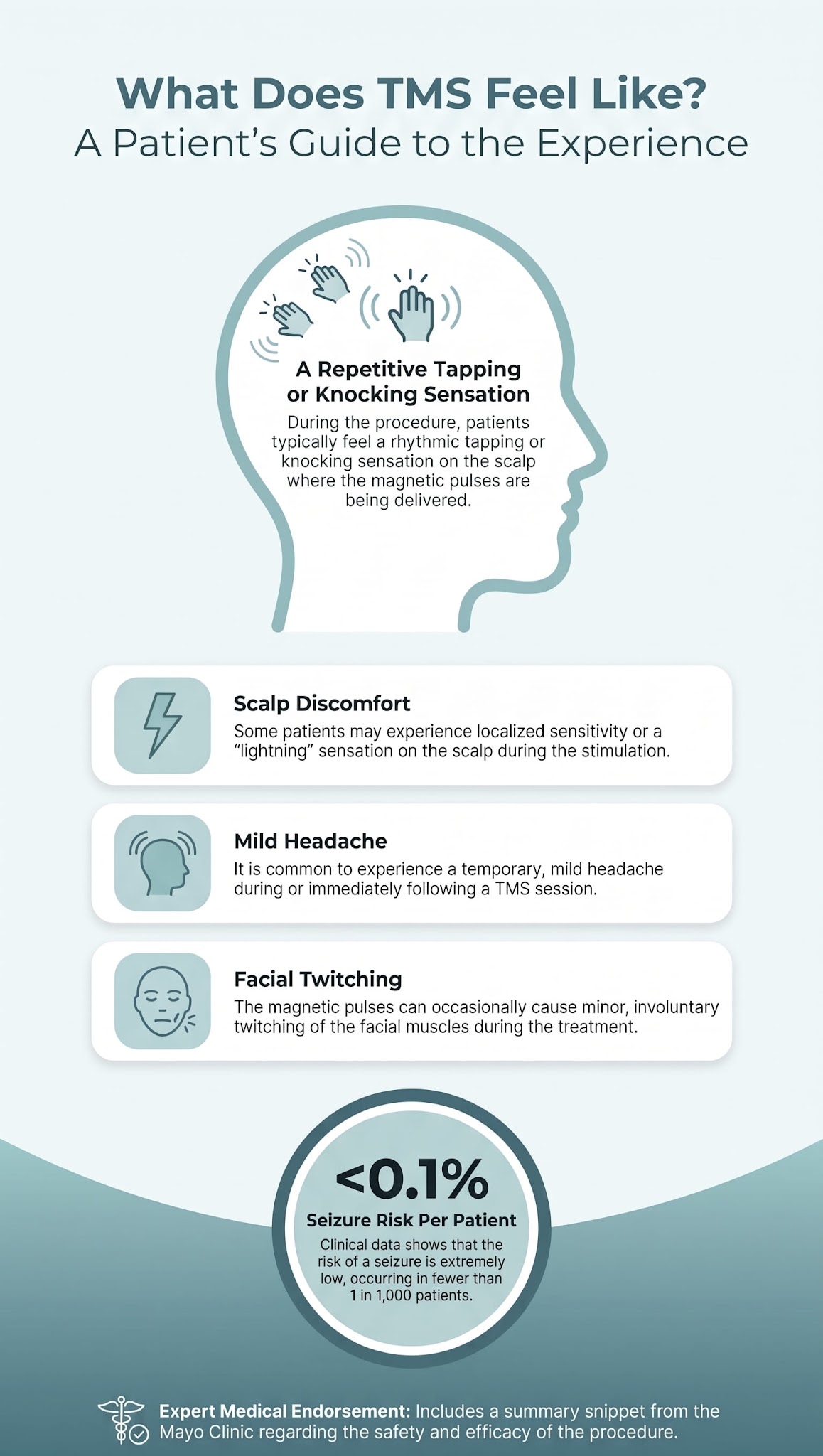
When exploring noninvasive TMS options, it helps to understand what the procedure feels like. Most patients describe the sensation as a light tapping or knocking on the scalp. Because there is no sedative involved, you can resume normal daily activities and drive yourself home immediately after your appointment.
Who Qualifies for Depression Treatment When Medication Fails?

Clinicians evaluate candidates for noninvasive depression care based on medical history, past medication attempts, and overall health status. If you have tried two or more antidepressant medications without reaching full remission, or if medication side effects were unmanageable, you may be a candidate for this treatment.
Insurance coverage requirements often specify that a patient must have tried antidepressant medications from distinct pharmacological classes without adequate response. These classes typically include Selective Serotonin Reuptake Inhibitors (SSRIs) such as sertraline or escitalopram, Serotonin-Norepinephrine Reuptake Inhibitors (SNRIs) like duloxetine, or tricyclic antidepressants (TCAs). Documenting the specific dosages, trial durations, and side effect profiles of these prior medications helps your clinical team submit a clear, well-supported prior authorization request to your insurance carrier.
A full course of TMS treatment typically spans 4 to 9 weeks. At Modern Mind Clinic, a standard protocol for depression treatment involves five visits per week for approximately seven weeks, totaling around 35 visits. Each session runs about 19 minutes using the NeuroStar Advanced Therapy system.
Before starting treatment, your provider will perform a baseline clinical evaluation to verify your diagnosis, screen for medical contraindications, and establish progress-tracking metrics. Key considerations during your initial screening include:
- Implant Screening: Ferromagnetic metal in or near the head (such as cochlear implants, stent clips, or shrapnel) is a major contraindication.
- Seizure History: Patients with a history of epilepsy or unmanaged seizure disorders require cautious evaluation.
- Medication Review: Your current prescriptions are reviewed to ensure stability throughout the treatment schedule.
It is also common for patients to experience a temporary shift in symptoms midway through care, often referred to as “the dip.” Feeling a short-term fluctuation in mood does not mean the treatment has failed. Keeping open communication with your care team allows them to monitor your progress and make necessary clinical adjustments.
How Does a TMS Clinic Ensure Patient Safety and Manage Side Effects?
Safety protocols begin well before the first magnetic pulse is delivered. A standardized clinical checklist, such as the screening tool provided by the American Psychiatric Nurses Association (APNA), helps clinicians evaluate individual risk factors before tailoring your treatment protocol.
Generally, magnetic pulse therapy is considered safe and well-tolerated in outpatient settings. Side effects are typically mild to moderate and tend to diminish over the course of treatment. The Cleveland Clinic highlights local discomfort and mild headaches as the most common temporary responses.
Commonly reported side effects include:
- Scalp Discomfort: A mild tingling or tender feeling at the site of the coil during or right after a session.
- Mild Headaches: These usually respond well to over-the-counter pain relievers and fade within a few hours.
- Facial Muscle Twitching: Temporary muscle contraction near the jaw or eye during active pulses.
Serious complications are extremely rare. The risk of a treatment-induced seizure is estimated at less than 0.1% per patient across standard protocols. Clinicians reduce this risk further by conducting thorough pre-treatment screenings and monitoring coil placement precisely.
Real clinical research demonstrates strong therapeutic outcomes compared to casual online testimonials.
Clinical research published in a 2023 PubMed study highlights the real-world outcomes of outpatient magnetic pulse therapy:
“Following the TMS course, approximately 70% of both groups reported meaningful improvement, whereas less than 1% reported meaningful worsening.” – PubMed
Furthermore, a 2021 NeuroStar clinical registry study tracking patients with major depressive disorder showed that 83% experienced symptom reduction receiving specialized TMS therapy for major depressive disorder experienced symptom reduction in a cited registry study.
What Types of Protocols Are Used During TMS Treatment?
Not all magnetic pulse therapies follow the same delivery pattern. Advances in medical technology have introduced multiple protocols that vary by pulse timing, session length, and total treatment duration. Understanding these differences helps you discuss options with your provider.
Three primary treatment protocols include:
| Treatment Approach | What It Involves | What Patients Should Ask |
| Standard rTMS | Repeated magnetic pulses delivered according to a treatment schedule that typically involves multiple visits. | How many sessions will I need each week? |
| iTBS | A theta-burst stimulation pattern that delivers magnetic pulses in a specific sequence. | What pulse pattern and protocol will you use? |
| Accelerated TMS | Multiple treatment sessions may be scheduled within a shorter period than a standard course. | What evidence supports this schedule for my condition? |
Selecting the correct protocol depends on your diagnosis, tolerance, insurance guidelines, and scheduling needs. Modern Mind Clinic utilizes FDA-cleared NeuroStar technology to deliver precise protocols tailored to each patient’s individualized care plan.
When preparing for your schedule, consider practical factors like commute time and daily routine. Modern Mind Clinic serves patients through its Dearborn area location page at its Southfield office (18000 W Nine Mile Rd, Suite 750), located roughly 15 to 20 minutes from central Dearborn depending on traffic.
What Should Patients Know About Insurance Coverage and Care Costs?
Navigating insurance coverage is an essential step before beginning your treatment plan. Most major health insurance plans offer coverage for noninvasive magnetic therapy when specific clinical criteria are met.
Common insurance requirements include:
- A confirmed diagnosis of severe Major Depressive Disorder (MDD).
- Documented trial and failure of two to four antidepressant medications from different classes.
- Prior failure or trial of evidence-based psychotherapy.
- Prior authorization approval from the insurance carrier before starting sessions.
Modern Mind Clinic works directly with major insurance providers to verify benefits and process pre-authorizations. In-network or accepted plans frequently include Blue Cross Blue Shield, Blue Care Network, HAP, UnitedHealthcare, Medicare, Medicaid, Aetna, Humana, Priority Health, and TRICARE.
Out-of-pocket expenses depend on your individual deductible, copays, and coinsurance terms. Self-pay or private-pay arrangements are also available for patients whose insurance plans do not cover the treatment or who prefer non-insurance options. Requesting a transparent cost estimate prior to your first visit ensures full financial clarity.
What Questions Should You Ask During Your Initial TMS Consultation?

A successful treatment experience starts with an open dialogue with your clinical team. Modern Mind Clinic offers initial consultations to help residents review their medical history, discuss insurance details, and determine whether care is appropriate.
When attending your evaluation, consider bringing the following questions:
- Which specific device and protocol do you recommend for my diagnosis?
- Has this treatment device received FDA clearance for my specific condition?
- How many total weeks and sessions will my personalized plan require?
- How will our team measure my progress throughout the treatment course?
- What is the office protocol if I miss a daily session due to illness or emergency?
- What maintenance options or follow-up plans are available after the initial course?
Planning for a daily treatment routine is much easier when you know how sessions fit into your standard workday or study schedule. Because visits require no post-procedure recovery time or sedation, many patients schedule their daily 19-minute appointments early in the morning before work, during a lunch break, or late in the afternoon. Preparing for your visits is straightforward: bring a list of your current medications, wear comfortable clothing, and feel free to listen to music or talk with your technician during the session.
Taking an active role in your care helps align treatment expectations with clinical outcomes. A qualified clinical team will explain every phase of your care plan clearly before you commit to daily appointments.
Taking the Next Steps Toward Recovery
Finding relief from persistent depression begins with understanding all available medical options. Modern Mind Clinic offers comprehensive evaluations for patients seeking TMS therapy in Dearborn from its convenient Southfield location. Their care team assists with benefit verification, scheduling flexibility, and personalized treatment plans tailored to your needs. Call (248) 607-7190 or contact Modern Mind Clinic online today to schedule your consultation and take the first step toward lasting wellness.
You don’t have to figure it out alone. Modern Mind Clinic offers free consultations, fast insurance verification, and appointments often available within 7 days. If you’re ready to discuss your options, call (248) 607-7190 or contact Modern Mind Clinic online to take the next step. Treatment decisions should be made with a qualified clinician after an individual evaluation.
Frequently Asked Questions
Is TMS Therapy Covered by Most Major Insurance Plans?
Yes, most major commercial health insurance plans and Medicare cover this treatment when diagnostic criteria and medication histories are documented. Modern Mind Clinic verifies your insurance benefits and submits prior authorization documentation on your behalf.
How Can Patients Access TMS Therapy in Dearborn for Depression?
Patients in Dearborn can access noninvasive magnetic stimulation by scheduling a clinical consultation at Modern Mind Clinic’s nearby Southfield office. The clinical team provides complete evaluations, insurance verification, and custom treatment planning.
What Should You Expect at a Specialized TMS Clinic?
At a specialized clinic, you can expect a quiet outpatient setting where you remain fully awake during short daily visits. Each session takes roughly 19 to 40 minutes, allowing you to return to work or drive home immediately afterward.
How Does Magnetic Pulse Therapy Differ From Oral Antidepressants?
Magnetic pulse therapy targets specific mood-regulating brain networks directly without entering the bloodstream. Unlike oral medications, this localized approach avoids systemic side effects like weight gain, nausea, or daytime sedation.
How Many Total Treatment Sessions Will My Schedule Require?
A standard treatment schedule requires 36 total sessions delivered five days per week over six to seven weeks. Your clinician monitors your progress weekly to ensure the protocol matches your therapeutic response.
References
- https://www.mayoclinic.org/tests-procedures/transcranial-magnetic-stimulation/about/pac-20384625
- https://pubmed.ncbi.nlm.nih.gov/41367968/#1