Choosing a mental health clinic means finding care that fits your needs, not just the closest office. A qualified outpatient practice provides psychiatric evaluations, medication management, and evidence-based therapy to help you manage symptoms. Modern Mind Clinic helps individuals evaluate clinical credentials, treatment options, and insurance coverage.
Key Takeaways
- Check clinical fit: Review the provider’s credentials, specialty areas, and experience with your specific condition.
- Compare cost and access: Verify in-network insurance benefits, self-pay fees, wait times, and telehealth options.
- Review advanced treatments: Ask about interventional options, including NeuroStar TMS eligibility, safety protocols, and personalized care plans.
How Do You Choose the Right Mental Health Clinic?
Choosing a mental health clinic starts with knowing what kind of care you need. A psychiatrist can provide a mental health evaluation and manage medication. A psychologist, licensed clinical social worker, or licensed marriage and family therapist may focus on therapy.
But the provider’s title isn’t enough. Check whether the clinician treats your condition and has experience with the type of care you need.
Look for:
- Current license and credentials
- Experience with your condition
- Treatment options
- Insurance coverage
- Appointment availability
- Follow-up care
- Telehealth, if needed
Some clinics offer several types of care in one place. That can make it easier to combine medication and therapy when both are needed.
| What to Check | Why It Matters |
| Provider credentials | Confirms formal training, board certification, and state licensing |
| Clinical experience | Ensures familiarity with your diagnosis and treatment response |
| Treatment options | Outlines whether care combines therapy, medications, or interventional options |
| Insurance and fees | Clarifies out-of-pocket responsibilities and billing procedures |
| Wait times | Indicates how quickly you can complete an intake and start treatment |
| Follow-up support | Establishes access to the care team between regular appointments |
Selecting a clinic purely based on location can compromise the quality of care if that practice lacks clinicians experienced in treating your specific condition.
Should You See a Psychiatrist or Therapist First?

The right provider depends on your symptoms, treatment goals, and whether medication may be part of your care.
Psychiatrists are medical physicians who diagnose complex mental health disorders, interpret medical interactions, and prescribe psychiatric medications. Psychiatric nurse practitioners also perform psychiatric evaluations and prescribe medications within their scope of practice. Psychologists and licensed therapists administer psychological testing and structured psychotherapies, focusing on emotional, cognitive, and behavioral patterns.
Research from Psychiatric Services shows:
“Untreated mental illness has significant consequences for both society and individuals, yet sociodemographic disparities in mental health care persist.” [PubMed]
If your symptoms are severe, impair daily biological functions (such as sleep and appetite), or suggest a biochemical component, starting with a psychiatric evaluation is often beneficial. If you are dealing primarily with situational stress, relationship distress, or identifiable behavioral patterns, a licensed therapist is often the right initial step.
How Can You Find Affordable Mental Health Care?
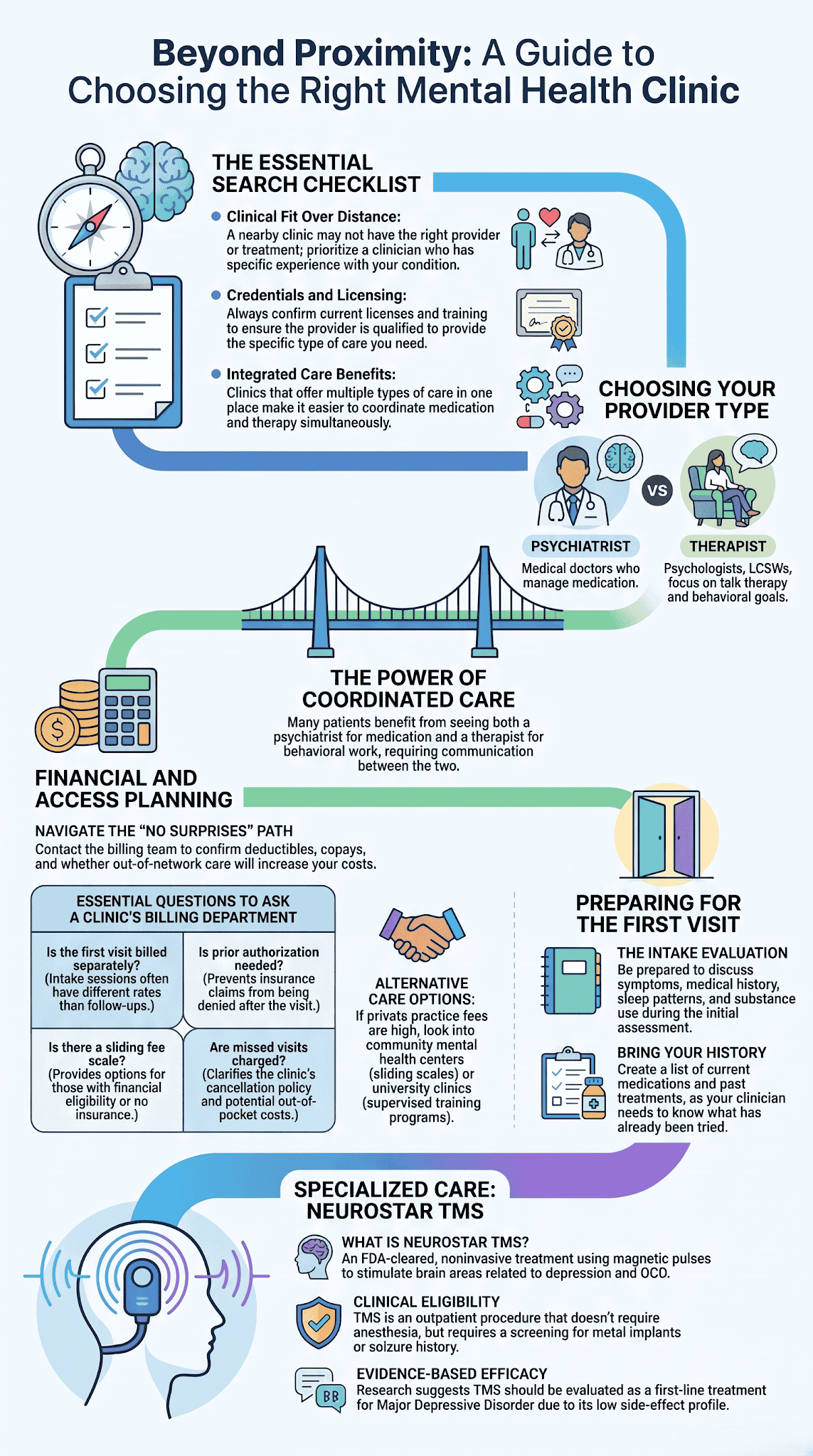
Compare insurance networks, community mental health centers, university clinics, and private practices before choosing a provider.
Mental health treatment can take time, so ask about costs before your first visit. Insurance plans may have different deductibles, copays, coinsurance, and authorization rules. Out-of-network care may cost more.
A clinic’s billing team can check your benefits, but it’s also wise to confirm coverage with your insurance company.
Community mental health centers may offer lower-cost care based on income or eligibility. University clinics may also offer supervised care through training programs, although their schedules can change during the academic year.
Private practices may offer specialty care for complex conditions like bipolar disorder, but fees vary. Some providers offer reduced fees for eligible patients.
Ask:
- Is the first visit billed separately?
- What does insurance cover?
- What is the self-pay rate?
- Are follow-up visits priced differently?
- Is prior authorization needed?
- Are missed visits charged?
- Is a sliding fee available?
Don’t assume a service is covered because the clinic accepts your insurance. Coverage depends on your plan and the service.
Fees and appointment times can change, too. Check both before scheduling.
Verifying these details in advance helps prevent unexpected out-of-pocket costs.
What Happens During a First Mental Health Visit?

Your first visit will usually include an intake, a review of your symptoms and history, and a discussion about treatment.
A psychiatric evaluation may cover current symptoms, past diagnoses, medications, medical history, sleep, substance use, and previous treatment. A therapy intake may focus more on symptoms, daily life, relationships, behavior, and treatment goals.
You may not receive a diagnosis at the first visit. Some conditions require more time and information before a clinician can make a diagnosis.
Before the appointment, make a list of your current medications and past treatments. Bring records that may help. Write down your main concerns, too. It’s easy to forget details during an appointment.
Useful questions include:
- How often will I have follow-up visits?
- Who will manage my medications?
- What types of therapy are available?
- How will we track my progress?
- What should I do if symptoms get worse?
- How can I contact the clinic between visits?
Be open about past treatment. Information about medications, therapy, side effects, and hospital stays can help your clinician understand what has already been tried.
The first visit is also a chance to learn about the clinic. If something isn’t clear, ask.
How Do You Handle Waitlists and Specialized Mental Health Care?
If clinics are full, ask about cancellation openings, other qualified providers, telehealth visits, and specialty programs.
A long wait doesn’t mean the clinic is the right match. If you wait weeks and then learn that the provider doesn’t treat your condition, you’ve lost time.
Clinical fit matters. Someone with obsessive-compulsive disorder may need exposure and response prevention therapy rather than general counseling. Someone with trauma-related symptoms may need a therapist trained in an appropriate trauma-focused treatment.
People with depression that has not improved after treatment may need another psychiatric evaluation. This can help determine whether a medication change, psychotherapy, or TMS should be considered.
Research from the Journal of Affective Disorders shows:
“Strong efficacy and the low side effect and medical risk profile suggest that TMS be evaluated as a first-line treatment for MDD.” [PubMed]
TMS is not right for every mental health condition.
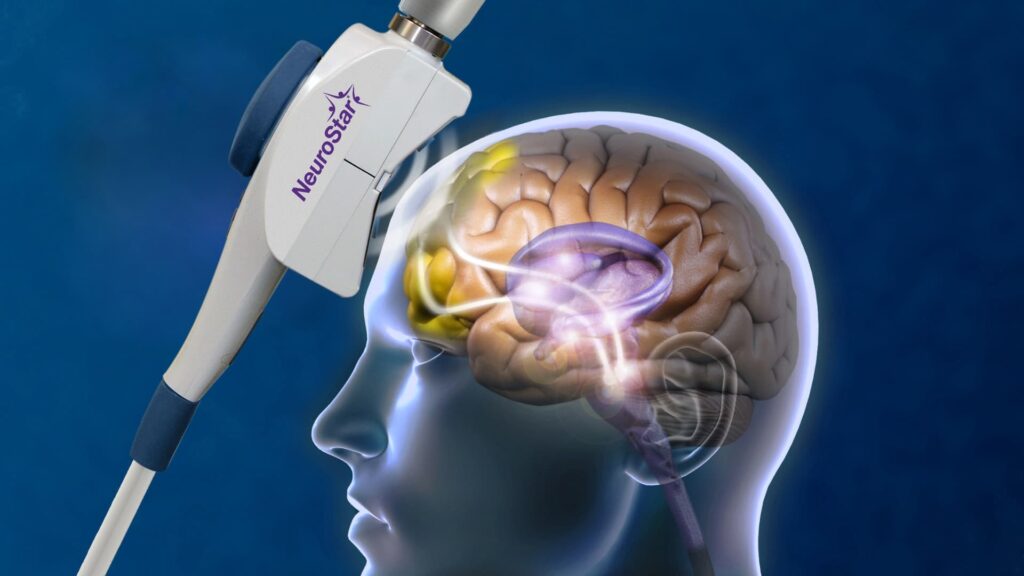
Transcranial magnetic stimulation uses magnetic pulses to stimulate certain areas of the brain. The U.S. Food and Drug Administration has cleared certain TMS systems for specific uses. Eligibility depends on the device, diagnosis, treatment history, and safety factors.
Before joining a specialty clinic’s waitlist, ask:
- Is there a cancellation list?
- Can another clinician see me sooner?
- Does the clinic treat my condition?
- Is the therapy I need available?
- Can medication and therapy be coordinated?
- Does the clinic offer TMS when appropriate?
Confirming these details before joining a waitlist ensures you receive timely and appropriate care.
What Should Patients Know About NeuroStar TMS?
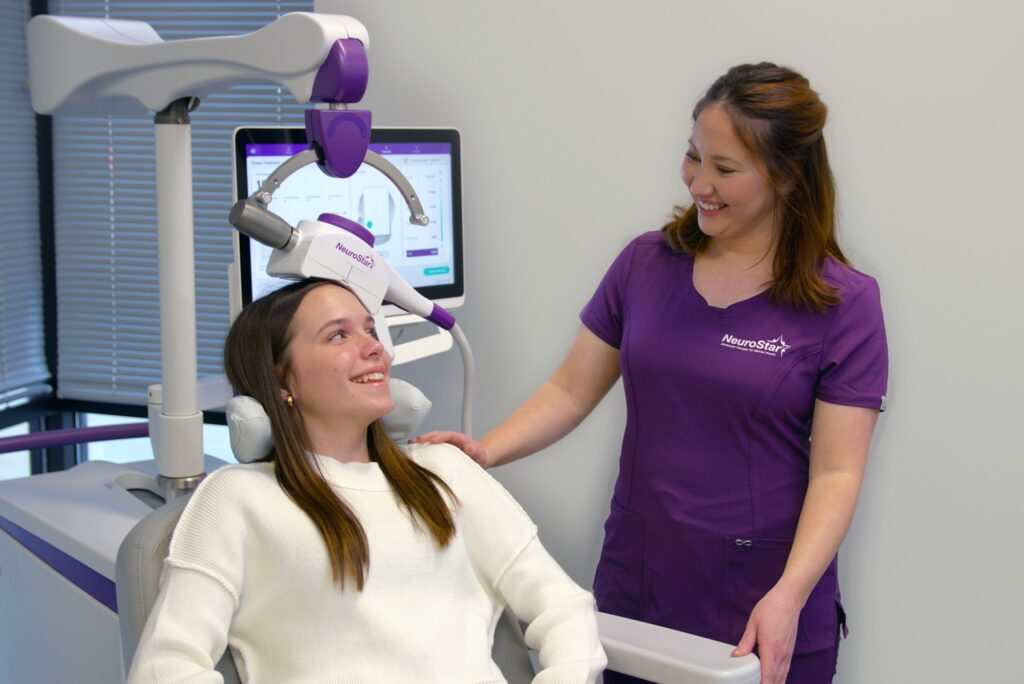
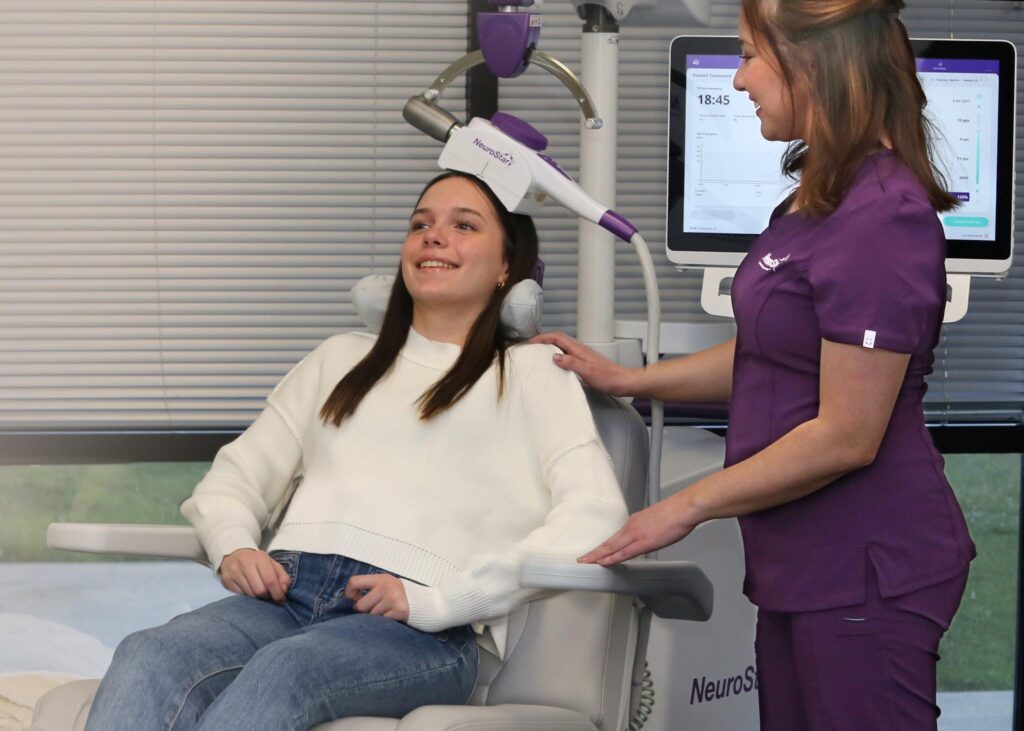
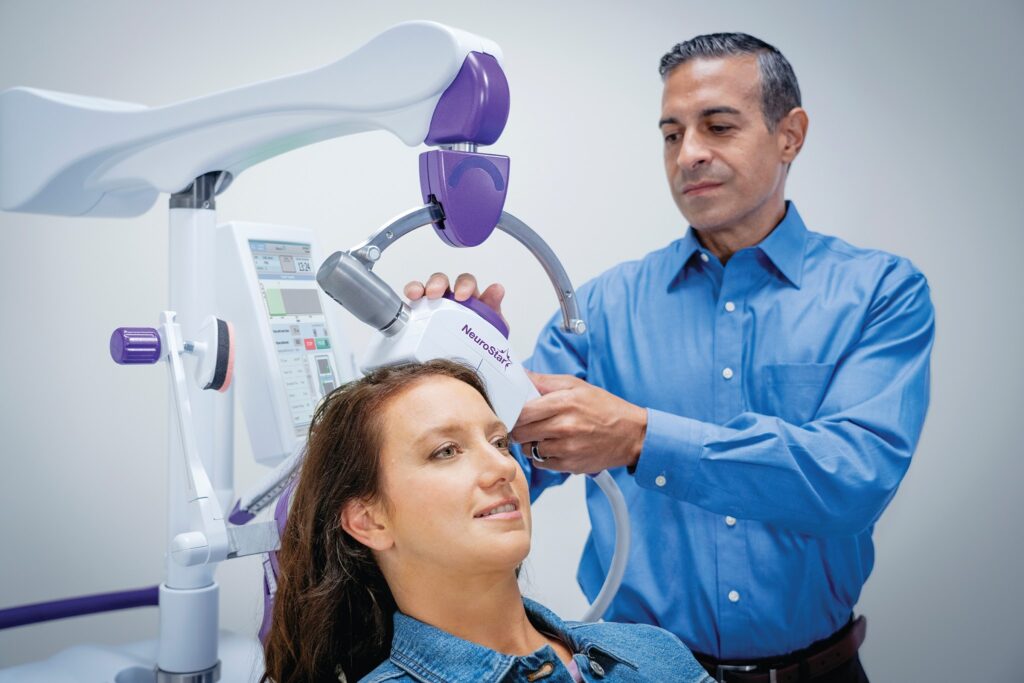
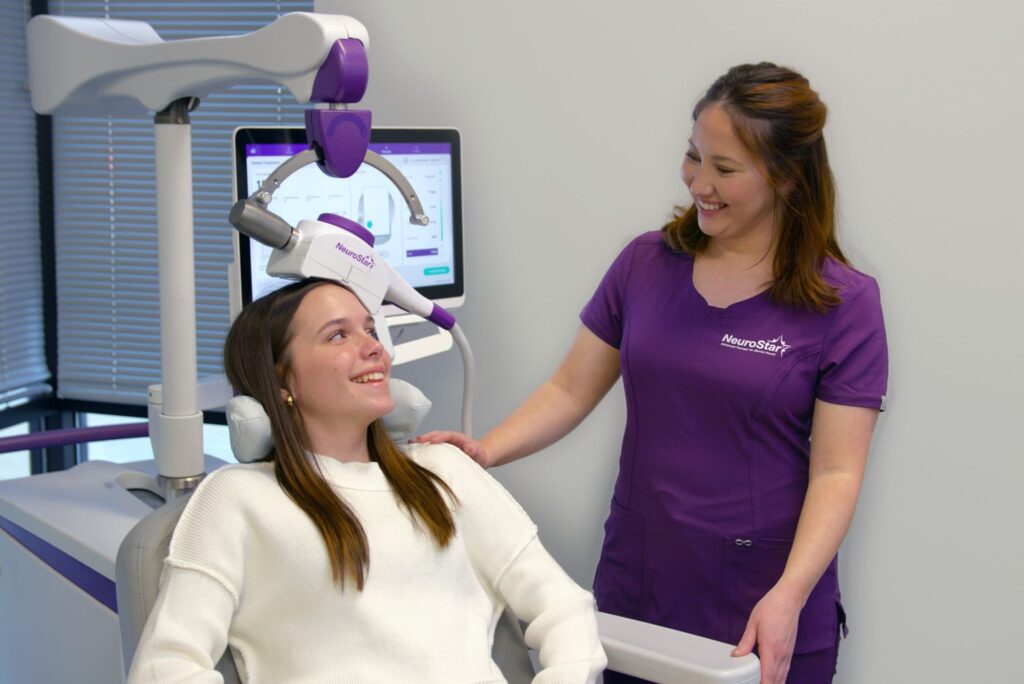
TMS is a noninvasive psychiatric treatment that may be considered for some patients with conditions such as major depressive disorder or obsessive-compulsive disorder. The specific FDA-cleared use and a clinical evaluation determine whether it may be appropriate.
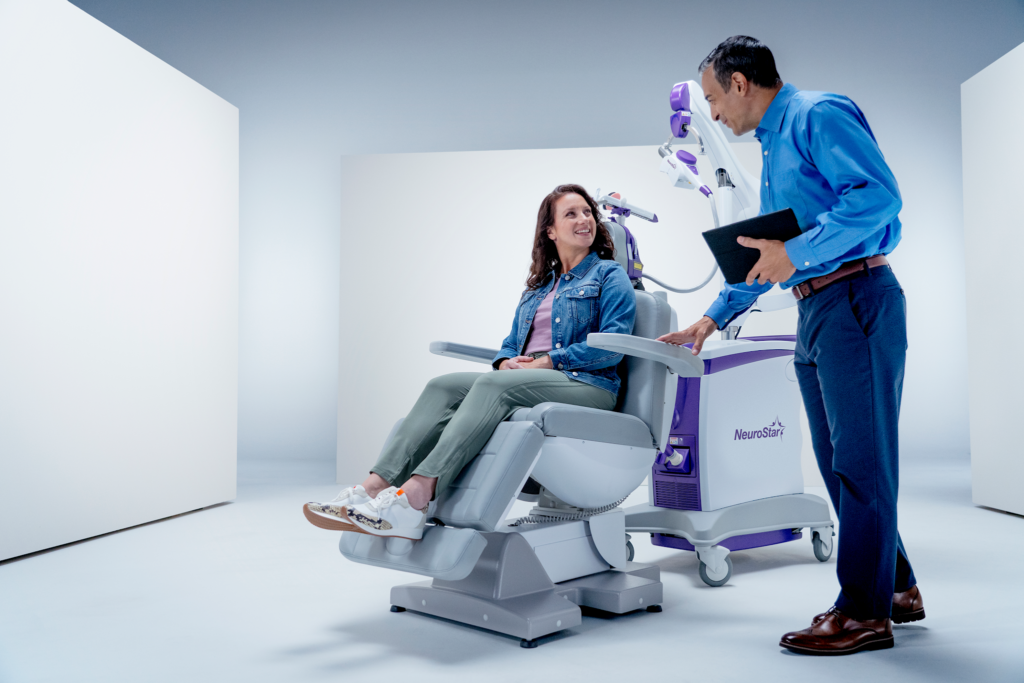
NeuroStar is a TMS system with FDA clearance for specific uses. Its cleared indications include major depressive disorder and targeted protocols like TMS therapy for OCD. NeuroStar has also reported clearance for reducing anxiety symptoms in adults with major depressive disorder who have not had enough improvement from previous antidepressant treatment.
However, TMS is not appropriate for every patient.
A clinician should review your diagnosis, symptoms, past treatment, medical history, and safety risks. Certain metal objects or implanted devices near the head may affect whether TMS is safe. A history of seizures or other neurological problems also needs careful review.
TMS is given in an outpatient setting. General anesthesia or sedation isn’t normally needed. Some people may have a headache or scalp discomfort during treatment. Seizure is a known but uncommon risk.
NeuroStar has published registry data on response and remission among patients who completed an acute course of treatment. Those results describe a group of patients. They can’t predict what will happen for one person.
Your specific diagnosis and clinical history are the most critical factors in determining whether TMS is appropriate.
At Modern Mind Clinic, NeuroStar TMS may be considered as part of an interventional psychiatry plan when a patient meets the appropriate clinical criteria. Medication management and therapy may also be used when appropriate.
How Can a Mental Health Clinic Combine TMS With Other Care?
TMS may be used with psychiatric medication and therapy when a clinician decides that combined care is appropriate.
Managing treatment-resistant depression can involve a long treatment history. A psychiatric evaluation should review past medications, how long they were taken, how well they worked, side effects, and other factors that may affect the next step.
TMS is designed to complement, rather than automatically replace, existing therapies or medications.
A care plan may include:
- Psychiatric evaluation
- Medication review
- TMS screening
- Psychotherapy
- Symptom tracking
- Follow-up visits
Treatment should be based on the patient’s needs, not on one procedure.
Someone doing well with an existing treatment may not need TMS. Another person with ongoing symptoms after appropriate treatment may need a closer evaluation to see whether TMS or another option is appropriate.
At Modern Mind Clinic, patients considering NeuroStar TMS can discuss their psychiatric history, previous treatments, current symptoms, and treatment goals during an evaluation.
Key Considerations When Choosing a Mental Health Clinic
When you are looking for psychiatric care, the closest office may not be the right fit.
If you’re considering TMS, a qualified clinician should first determine whether the treatment is appropriate for you. Modern Mind Clinic in Southfield, Michigan, offers psychiatric care, medication management, and TMS for eligible patients. The clinic also treats conditions such as depression, anxiety, OCD, ADHD, PTSD, and bipolar disorder.
If you or someone you know is experiencing a mental health crisis or thoughts of self-harm, please call or text 988 to reach the Suicide & Crisis Lifeline for free, confidential support available 24/7.
FAQs
How do I choose the right mental health clinic near me?
Check the clinic’s services, provider credentials, treatment options, insurance, and appointment times. Make sure the clinic treats your concerns and offers the type of care you need.
What should I expect when contacting mental health services?
The clinic may ask why you’re seeking care, review your treatment history, and discuss insurance and appointment options. Ask about wait times, costs, required records, and what happens during the first visit.
When should I consider a mental health treatment center instead of a regular clinic?
A treatment center may be appropriate if you need more structured or specialized care. The right level of care depends on your symptoms, safety, daily functioning, and treatment history. A mental health professional can help determine the appropriate setting.
What should I ask a behavioral health clinic before booking?
Ask about provider credentials, available treatments, fees, insurance, and the intake process. You can also ask how follow-up care is handled and whether the clinic can refer you to other services if needed.
How do I compare mental health care options?
Compare clinics based on their services, providers, treatment options, costs, insurance, and availability. Make sure the clinic can address your specific needs. Contacting a few clinics and asking the same questions can help you compare your options.