For patients considering transcranial magnetic stimulation, a common question is: can TMS make anxiety worse? TMS may temporarily increase anxiety in some patients, while others experience no change or significant symptom relief.
Severe or persistent symptoms warrant clinical review rather than being dismissed as a normal part of treatment. At Modern Mind Clinic, treatment decisions account for each patient’s unique symptoms, medical history, tolerance, and recovery goals. This guide explains how anxiety levels may fluctuate during TMS, which signs need attention, and when to contact a clinician.
Key Takeaways
- Anxiety may fluctuate during TMS, but persistent worsening needs clinical review.
- Individual experiences cannot establish how often anxiety worsens during TMS.
- Clinical guidance and symptom monitoring help patients weigh TMS benefits and risks.
Can TMS Make Anxiety Worse During Treatment?
Some patients report increased anxiety during or after TMS, while others experience no change or improvement. Because the cause and duration of these changes can vary, new or worsening symptoms should be discussed with the treating clinician.
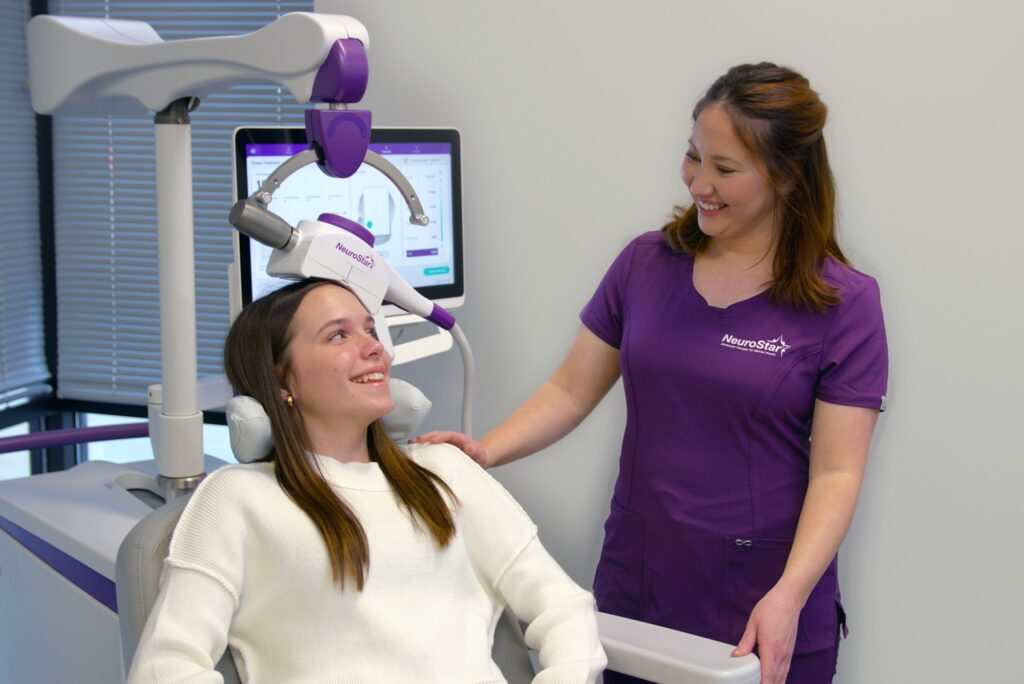
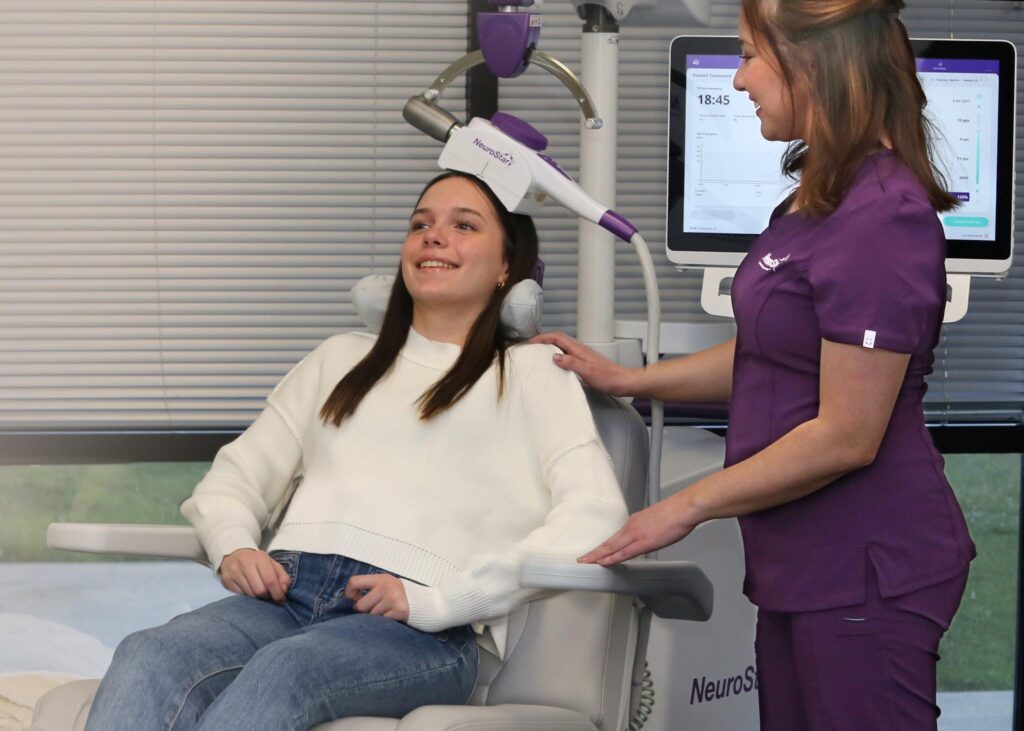
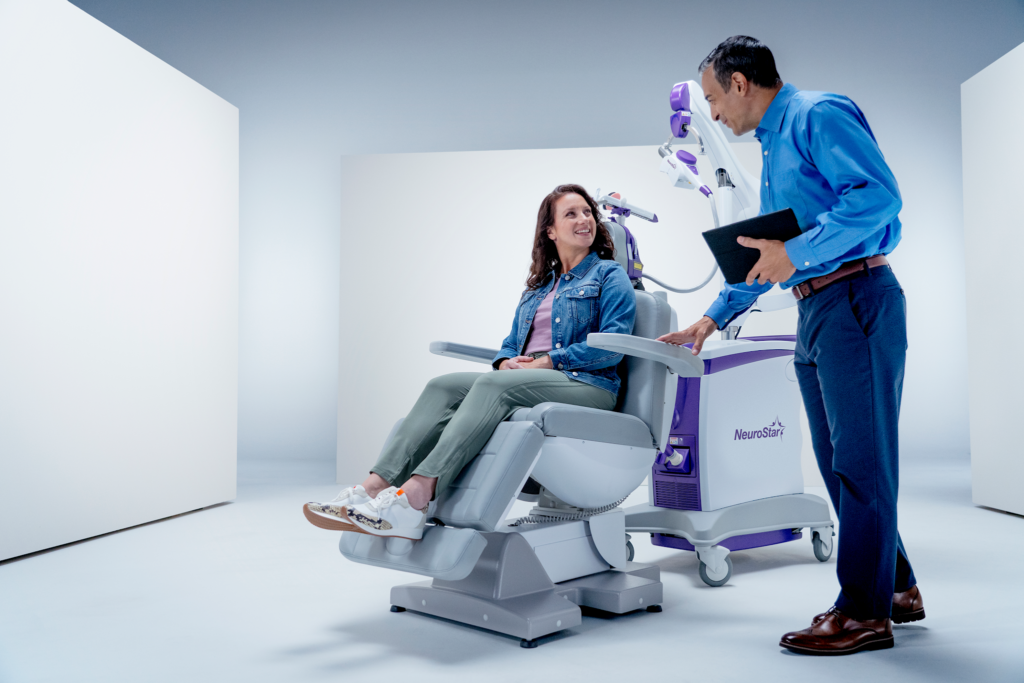
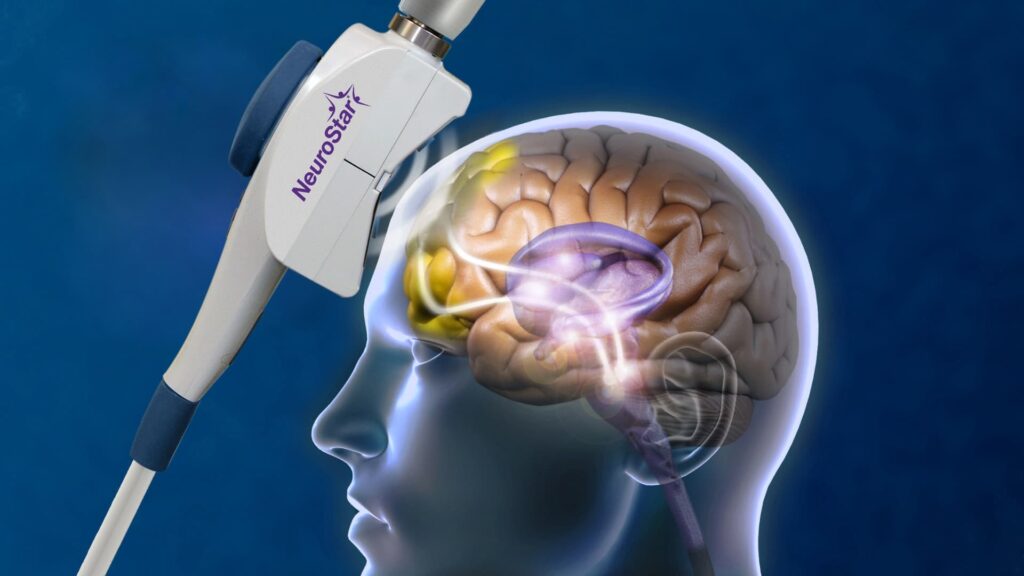
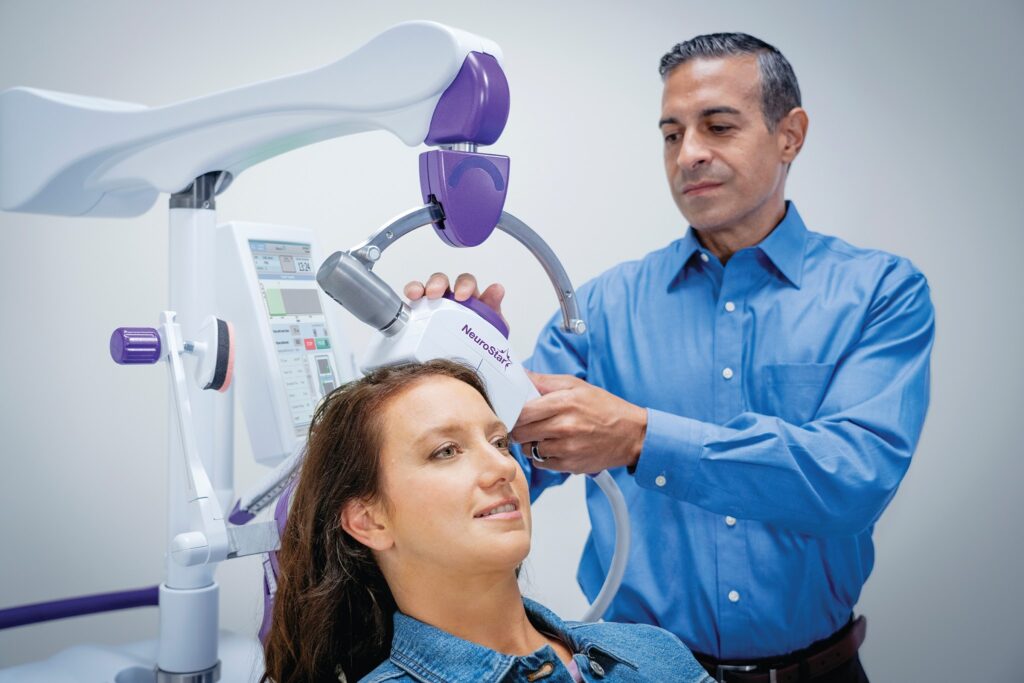
TMS uses short magnetic pulses to stimulate parts of the brain that help control mood. Doctors most often use repetitive TMS (rTMS) for major depression. Some devices and treatment plans are also FDA-cleared for other conditions.
Anxiety and depression often show up together, but they don’t always improve at the same pace. A person’s mood may lift while worry, panic, restlessness, or poor sleep hang around.
Online patient accounts describe varied experiences, ranging from heightened anxiety to noticeable symptom relief. However, anecdotal reports cannot establish how frequently anxiety worsens or whether TMS directly caused the shift. While these discussions highlight common patient concerns, online forums represent self-selected experiences rather than clinical sample data. One individual’s account cannot demonstrate a direct causal link.
What matters most is the difference between a short-term fluctuation in anxiety and a persistent worsening of symptoms. Record any increase in anxiety, including when it begins, how severe it feels, and how long it lasts. Share these details with your treatment team, even if the symptoms seem mild. Anxiety that keeps growing, gets in the way of daily life, or lasts after treatment ends needs a closer look.
What Is the TMS Dip, and When Should Patients Be Concerned?
“TMS dip” is an informal term used to describe a temporary worsening of mood or other symptoms during a course of TMS. It is not a formal diagnosis, and the timing, cause, and duration of these changes are not predictable for every patient. New or worsening symptoms should be assessed rather than automatically attributed to a temporary dip.
When Should Patients Seek a Clinical Review?
This table shows what to do based on what you are feeling.
| Symptom pattern | Recommended response |
| Mild, brief increase in anxiety | Write it down and tell your treatment team. |
| Growing anxiety or trouble sleeping | Call your provider soon so they can reassess. |
| Symptoms that stay worse after treatment | Schedule a clinical review. Don’t wait for it to fade. |
| Severe agitation or unusual changes in behavior | Get urgent medical help. |
| Thoughts of suicide or immediate danger | Get emergency help or call the 988 Suicide & Crisis Lifeline in the United States. |
The U.S. Food and Drug Administration (FDA) says TMS device labels should warn about worsening depression, suicidal thoughts, and unusual changes in behavior. Its safety guidance for rTMS devices also calls for close monitoring when a patient’s symptoms get worse.
Not every rise in anxiety means lasting harm, so try not to panic. But you also shouldn’t accept ongoing decline as a normal part of treatment. What to do depends on how severe the symptoms are, when they started, your medical history, and your doctor’s evaluation.
Why Might TMS Increase Anxiety in Some Patients?

Several factors may contribute to anxiety during TMS, including the underlying condition, treatment-related discomfort, sleep disruption, medication changes, and external stressors. The timing of symptoms alone cannot establish whether TMS caused them.
Could Brain Stimulation Affect Different Symptoms Differently?
TMS targets areas of the brain that help regulate mood. In some treatment plans, that means the left or right side of the dorsolateral prefrontal cortex (DLPFC). Different targets and pulse speeds can have different effects.
Research has not established that a particular stimulation target consistently prevents anxiety from worsening. Evidence for TMS in primary anxiety disorders remains more limited than the evidence supporting its established use for depression.
A 2022 review by Cox and colleagues pooled 13 studies with 677 people who had generalized anxiety disorder (GAD) or panic disorder. Anxiety scores improved in people with GAD. For panic disorder, the improvement was not large enough to be statistically meaningful. These results look at whether TMS helps anxiety. They do not tell us how often TMS makes anxiety worse. Read the study on PubMed.
As noted by PubMed
“Although interpretation of the results is difficult because of a large variety of used treatment protocols and the lack of a placebo-controlled design in the majority of studies, there is evidence for anxiolytic action of rTMS both from preclinical trials and studies in humans.” – PubMed
Could Treatment-Related Stress Contribute?
Anticipatory anxiety, unfamiliar sensations, and discomfort during a session may contribute to distress. Patients who experience panic symptoms may wish to discuss these concerns with their clinician before or during treatment. Understanding how TMS therapy works may help you prepare for sessions and discuss any treatment-related concerns with your provider.
Poor sleep can also raise anxiety. If you develop insomnia, constant restlessness, or more muscle tension during treatment, your care team should look into it. They shouldn’t just assume the magnetic pulses are the cause.
Could the Underlying Condition Explain the Change?
Anxiety and depression don’t always move together. Your mood may lift while you still have heavy worry, panic, or racing thoughts. Because anxiety symptoms can persist even when depression improves, an individualized anxiety disorder treatment plan may help address symptoms that need attention alongside depression treatment.
Medication changes, stressful events, and shifts in your daily routine can also change how you feel. None of these rule out TMS as a cause. They simply show why a doctor should review the whole picture before changing your treatment.
Clinical note: If you think TMS may be causing a side effect, speak up, even if no one knows the cause yet.
Can the TMS Target or Protocol Affect Anxiety?
The stimulation target, frequency, intensity, and treatment schedule may influence treatment response and tolerability. However, no protocol can guarantee that anxiety will not worsen. Treatment parameters should be selected, monitored, and adjusted by a qualified clinician based on the patient’s diagnosis, medical history, and clinical response throughout care.
Here are some questions you can bring to your provider.
| Treatment consideration | Question to discuss |
| Stimulation target | Is the area being treated right for my diagnosis and goals? |
| Stimulation frequency | What research backs this setting for my condition? |
| Treatment intensity | If I feel worse or my symptoms change, can we review the plan? |
| Session schedule | Could my sleep, or the gap between sessions, be affecting how I feel? |
| Co-occurring conditions | How do my depression, anxiety, or OCD change the plan? |
| Medication and medical history | Could my medicines or other health issues explain what I’m feeling? |
Does Changing the Target Guarantee Improvement?
No. Changing the target, strength, or frequency of treatment does not promise less anxiety. Please don’t ask to change these on your own or try to adjust them yourself. That’s a decision for your provider.
Researchers are still testing different ways to give TMS, and that work matters. But small studies, or studies of a narrow group of patients, can’t tell us what will work best for you.
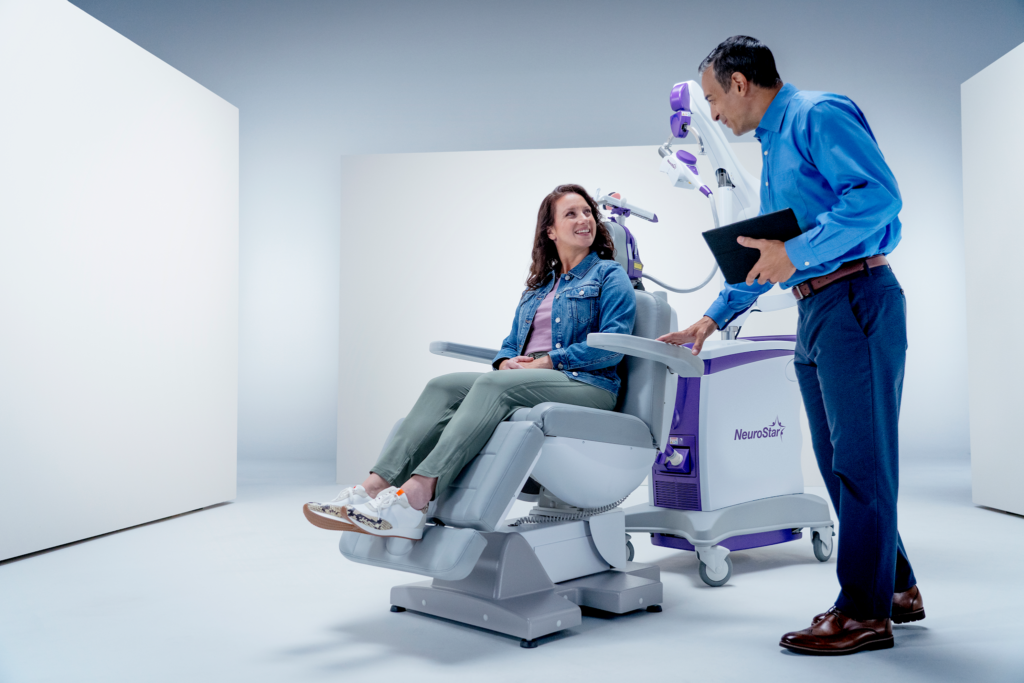
At Modern Mind Clinic, we look at how you’re doing overall. One symptom or one rough session doesn’t tell the whole story. NeuroStar TMS is FDA-cleared for certain uses, including major depressive disorder with anxiety symptoms. Patients exploring TMS therapy for anxious depression should understand that this indication applies to anxiety symptoms occurring alongside major depressive disorder, not every type of anxiety disorder. TMS can also be used as an adjunctive treatment for OCD under its applicable indication.
You can learn more on our TMS therapy page. A qualified provider can talk with you about whether TMS fits your needs.
Which TMS Side Effects Are Common, and Which Need Attention?

The most common side effects are discomfort where the coil touches your head and headaches. Serious complications are uncommon, but patients should know which symptoms require prompt medical assessment or emergency care.
Research from Mayo Clinic shows
“Generally, rTMS is considered safe and well-tolerated,” but common side effects “may include: Scalp discomfort and pain. Headache. Tingling, spasms or twitching of facial muscles. Lightheadedness.” – Mayo Clinic
Mayo Clinic identifies scalp discomfort, headache, facial muscle twitching, and lightheadedness as possible side effects. These are usually mild to moderate and often go away soon after a session. The serious risks are seizures and, in some people, mania. See the Mayo Clinic guide to TMS.
Common side effects and recommended actions:
- Mild scalp discomfort or headache: Inform your provider if symptoms persist or become difficult to tolerate.
- Facial twitching or lightheadedness: Tell your treatment team if symptoms persist or worsen.
- Fatigue or sleep changes: Discuss how these changes affect your daily functioning.
- Increasing anxiety or agitation: Contact your provider promptly for assessment.
- Significant behavioral changes or possible mania: Seek urgent medical evaluation.
- Seizure: Seek emergency medical care.
- Suicidal thoughts or immediate danger: Seek emergency assistance. In the United States, call or text 988 for suicide-related crisis support.
Who May Need Additional Safety Screening?
Whether TMS is safe for you depends on the device, why you need treatment, and your medical history. Some metal or electronic implants in or near the head make TMS unsafe. The device labeling lists some implants that rule out treatment.
Clinicians should assess seizure risk, any history of bipolar disorder or mania, medications that may lower the seizure threshold, and other relevant health conditions. This evaluation helps determine whether TMS is appropriate and what precautions may be needed. Patients considering TMS therapy in Beverly Hills, MI should undergo an individualized evaluation to determine whether treatment is appropriate for their medical history and symptoms.
Please give us your full medical history before you start, and tell us about any new symptoms during treatment. Remember that “FDA-cleared” means the FDA has cleared a device for certain uses. It doesn’t mean the device has no risks, and it doesn’t mean it is cleared for every anxiety disorder.
Making Informed Decisions About TMS and Anxiety
If you’re considering TMS for anxiety, it’s understandable to worry about symptoms getting worse during treatment, especially when you’re already struggling with your mental health. Experiences vary, so it’s important to understand the possible risks and discuss any changes with your clinician.
Modern Mind Clinic helps eligible patients evaluate NeuroStar TMS, weigh potential benefits and risks, and determine whether care aligns with their recovery goals. Rather than relying on unverified online testimonials, schedule a consultation with Modern Mind Clinic today to review your symptoms and personalized treatment options with an experienced clinician.
FAQs
Can TMS make anxiety worse?
TMS may temporarily increase anxiety in some patients, particularly during early sessions or protocol adjustments, while others experience noticeable symptom relief. Research indicates that symptom fluctuations can occur, but persistent or severe worsening warrants a clinical evaluation rather than an assumption that it is a standard part of treatment.
Can TMS trigger panic attacks?
Some patients may experience increased anxiety or panic symptoms during treatment, but a temporal association does not establish that TMS caused a panic attack. Patients who develop new or worsening panic symptoms should inform their clinician so that the timing, severity, and possible contributing factors can be assessed.
How long does anxiety after TMS treatment last?
There is no established duration that applies to everyone. Some patients describe brief symptom fluctuations, while others report longer-lasting difficulties. Persistent or worsening symptoms warrant clinical review rather than an assumption that they will resolve without intervention.
Is TMS FDA-cleared for generalized anxiety disorder?
TMS clearance depends on the specific device and indication. NeuroStar is FDA-cleared for certain conditions, including major depressive disorder with comorbid anxiety symptoms, but that does not establish a separate FDA-cleared indication for generalized anxiety disorder. Patients should ask their clinician which indication applies to the proposed treatment.
Should patients stop TMS if anxiety gets worse?
Patients should contact their treatment provider promptly rather than independently changing their treatment schedule or stimulation settings. The clinician can assess symptom severity, review other possible causes, and determine whether treatment should continue, pause, or change. Severe psychiatric symptoms or immediate safety concerns require urgent assessment.